Britain's chancellor faces a narrowing fiscal window as inflation rises toward 4% and national debt exceeds £3 trillion for the first time, according to the latest official figures cited by BBC Business correspondent Faisal Islam.
The National Debt topped £3 trillion in the figures released Wednesday. The headline inflation rate hit 3.5% and forecasters expect it to reach 4% in coming months. Capital Economics projects inflation will peak at 4.2% next year. Borrowing is running ahead of forecasts as spending and interest costs increase.
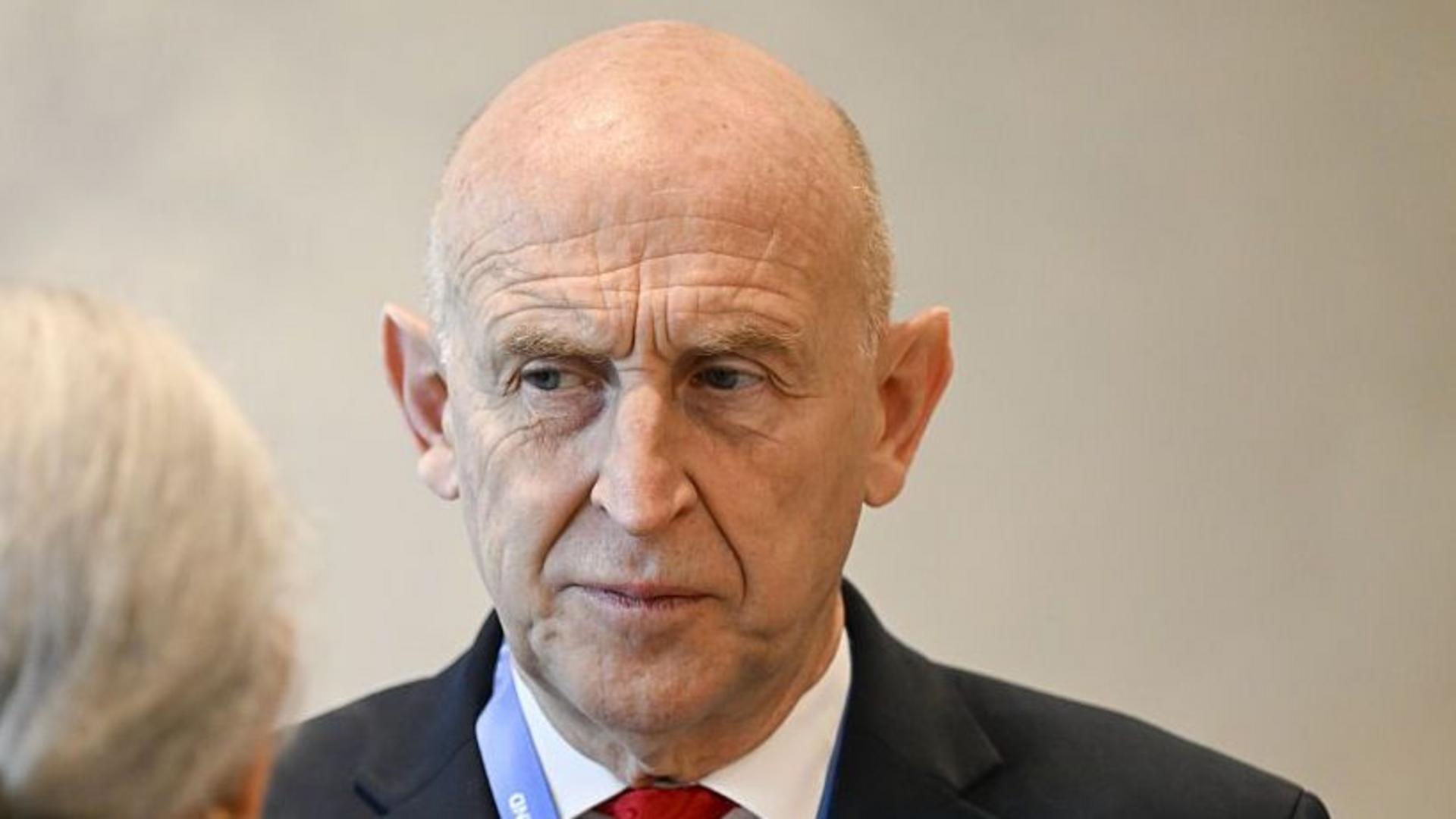
These pressures constrain Chancellor John Healey's upcoming Budget announcement. On one side, he has stated he wants to provide "breathing space" to consumers facing cost of living pressures. On the other, the public finances face a "double whammy" of rising inflation and borrowing costs that limit room to maneuver.
Inflation is becoming embedded beyond temporary energy shocks. While petrol and diesel prices drove initial increases, other measures show stickier price pressures. Airfares and computer game download prices both rose, signaling that higher inflation may not be temporary. The Bank of England closely monitors services sector inflation and core inflation. Services, which include law, banking, retail, hospitality and tourism, comprise the vast majority of UK economic output. Rising underlying inflation increases the odds for an interest rate rise next month, Islam notes.
The 3.5% inflation figure automatically triggers benefit upratings in April. Personal independence payment, carer's allowance and other welfare payments must rise in line with September's consumer price index by law. The State Pension will increase 3.9% next April under the Triple Lock.
Food price inflation remains largely unaffected by energy shocks, providing some relief. Higher inflation at frozen tax thresholds will raise more tax revenue in cash terms but will also increase public service costs and likely fuel union pay demands.
The chancellor announced North Sea energy approvals, including the Jackdaw gas field decision, as a "pro-growth" pre-Budget signal. Islam notes this sends a directional message but will not fundamentally alter the trade-off between providing cost of living relief and delivering a Budget that satisfies markets and investors. UK borrowing costs have risen alongside most advanced nations as global tensions intensify, though the gap with other G7 nations has narrowed slightly.