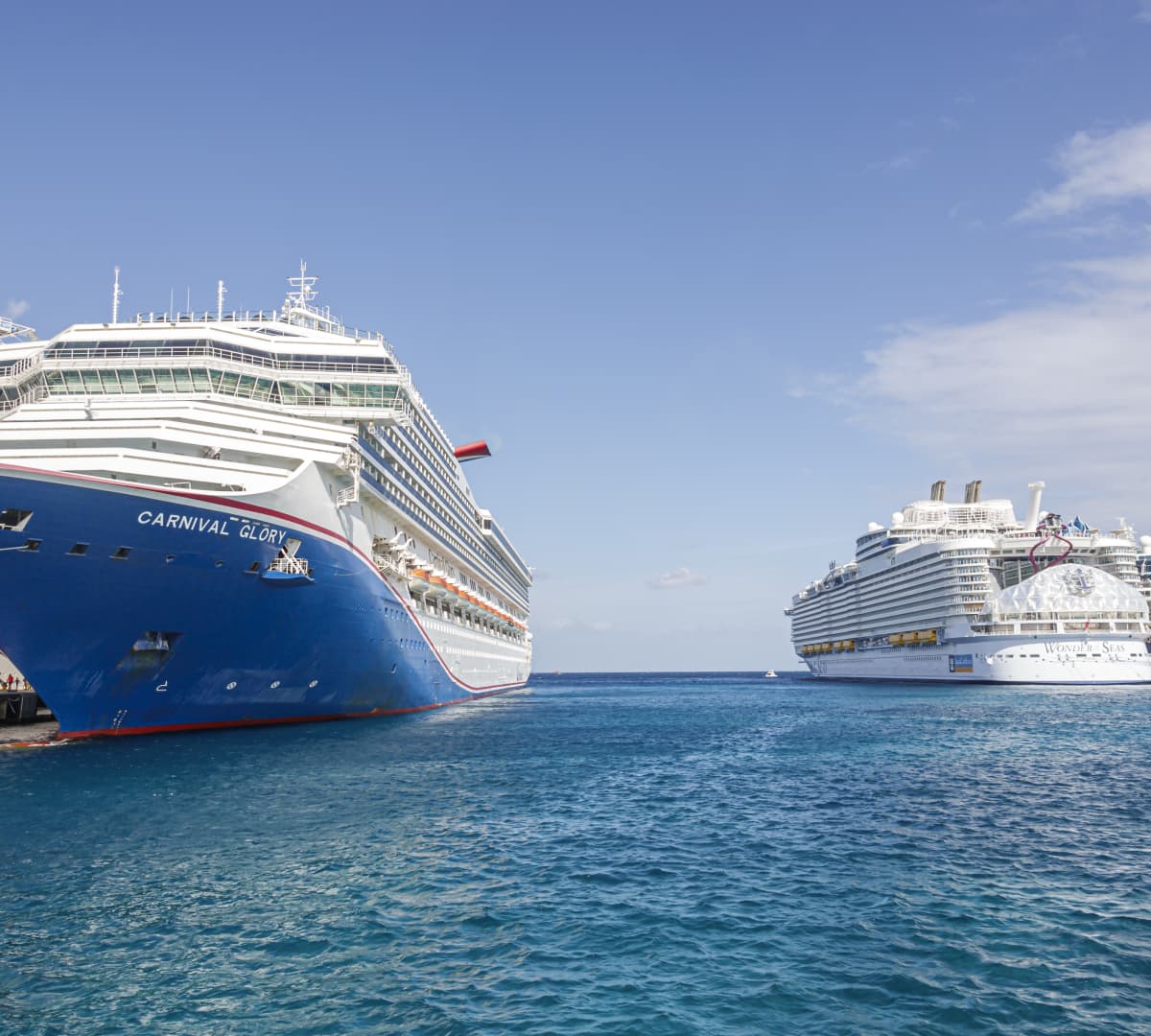
Carnival, Royal Caribbean and Norwegian Cruise Line Holdings each posted strong recent quarterly earnings despite higher fuel prices, according to CNBC. The report says the companies use starkly different strategies to manage fuel costs.
Oil prices have risen since the U.S.-Israel war with Iran began on Feb. 28, the report says. Brent crude reached a six-month high on Friday, settling at $116.72 per barrel.
Royal Caribbean and Norwegian both use hedging, a strategy that uses derivatives to reduce exposure to fuel price swings. Carnival takes a different approach. CEO Josh Weinstein told CNBC that cutting fuel consumption is the best way to control costs. "At the end of the day, fuel is an input cost for us. The best thing that we can do to control that cost is to use less," he said.
Weinstein said Carnival has cut its unit fuel consumption rate by 26% since 2019. He estimated the company has saved about $700 million in 2026 from that reduction.
Carnival spent $615 million on fuel in its third quarter, about 7.3% of revenue, according to its earnings release. It projects fuel costs of $640 million in the fourth quarter.
Royal Caribbean CEO Jason Liberty said the company is about 60% hedged for 2026. He said high fuel prices "evaporated a good chunk of our Q3 earnings beat into the full-year guide." Royal Caribbean spent about $347 million on fuel in the third quarter, about 6.2% of revenue, and projects $379 million in the fourth quarter.
Norwegian has hedged approximately 48% of its 2026 fuel consumption, according to its earnings release. It spent about $196 million on fuel in the third quarter, about 6.6% of revenue. The company projects fuel consumption will rise to 255,000 metric tons in the fourth quarter from 239,000 metric tons in the third.
Jefferies analyst David Katz told CNBC that companies hedge mainly to manage fuel costs, and also to limit stock volatility tied to fuel prices. He acknowledged that hedging is "mathematically most likely" more expensive over the long term.