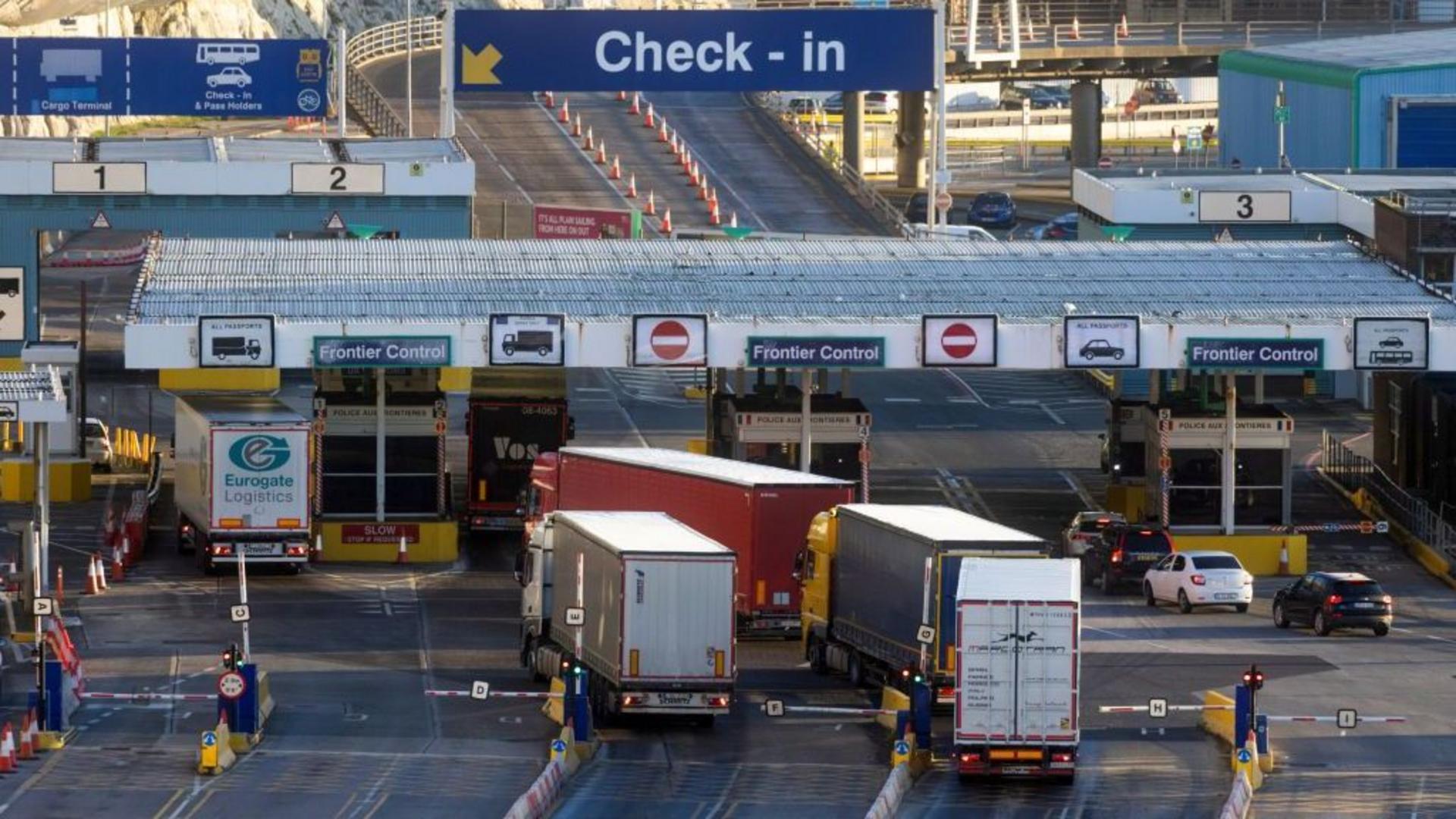
The draft agreement on sanitary and phytosanitary rules is the most significant piece of the so-called Brexit reset so far. A 200-page text has been circulated to EU nations for consideration at a meeting on Wednesday, and if it holds, it should remove the need for £200 Export Health Certificates, £25 Phytosanitary certificates, inspector fees, organic certificates, some port fees, sampling fees and other checks on trade to and from the EU. For exporters who have spent nearly six years filling in forms, that is welcome.
The government puts the eventual annual benefit to the UK economy at £5.1bn. That figure is the government's own claim and should be tested as the text is scrutinised, but the direction of travel is clear. Fresh sausages, burgers, shellfish from domestic waters and seed potatoes will be able to flow again, and UK pets will be able to travel into the EU with passports.
The price of this deal is dynamic alignment. The UK would commit to observing and adapting to existing EU rules on plant, animal and food standards. Pro-Brexit campaigners are right to say this reapplies EU rules that the previous government deliberately moved away from, and the precision breeding example shows where England has diverged. Ministers should be open that this is a trade-off between regulatory freedom and access, not a costless fix. The proposed European Partnerships Bill, which would give a legal route for applying new EU rules, deserves close parliamentary attention for exactly that reason.
The Business Chamber's analysis adds weight to the case for looking beyond food. Its finding that 56% of exporting businesses want EU customs paperwork and delays removed, rising to 58% of manufacturers, shows the friction is not confined to one sector. Its nine options, from a customs union to a Swiss-style single market relationship or a Canada-style associate membership, are a useful menu, and the government should publish a full analysis of each.
The prime minister is right to open a conversation about the long-term relationship, but he should be specific about what he is asking for. Rejoining the bloc is one option among several, and each carries different costs for sovereignty, trade and migration. Before the summit, ministers should commit to publishing that analysis and to consulting business properly, so that the next step rests on evidence rather than slogans.