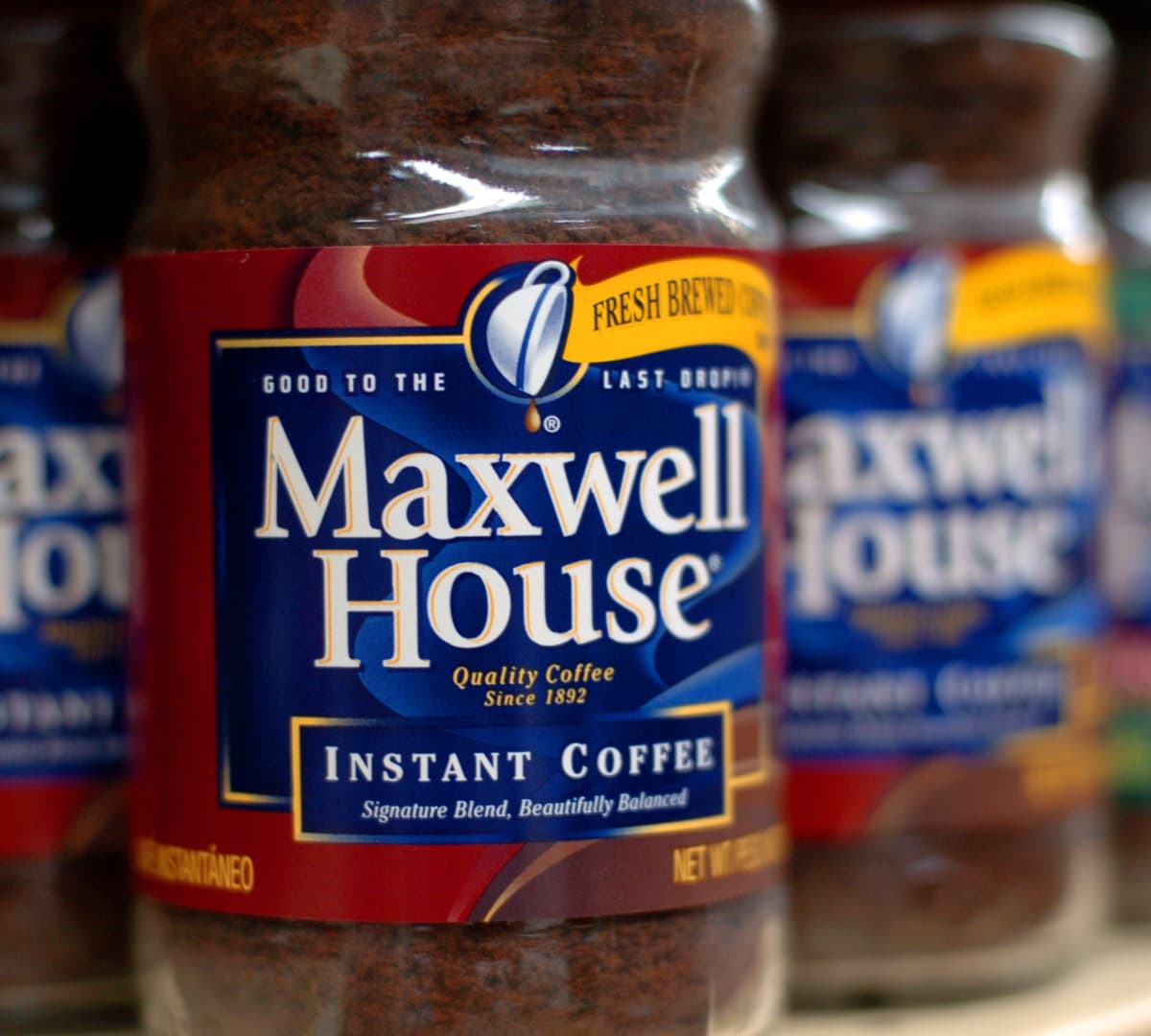
Kraft Heinz announced Wednesday that it will divest its North American coffee unit to private equity firm One Rock Capital Partners in a deal valuing the business at $650 million on an enterprise basis. The unit includes Maxwell House and Gevalia, two names that many American households have bought for decades. The company expects the deal to close in mid-2027 and will keep a 30% noncontrolling equity stake.
The company says the $500 million in post-tax cash proceeds will go toward paying down debt, so that it can prioritize resources where it can accelerate growth. That logic is sound on paper. A company carrying heavy debt after a $46 billion merger from a decade ago has good reason to shrink its obligations. Yet the sale also signals that Kraft Heinz is still searching for a coherent identity, and selling established brands is a cautious answer to that question.
Steve Cahillane, who joined as CEO in January, paused plans to split the company in two. He called the problems Kraft Heinz faced "fixable and within our control." If that is true, then a business that can fix its problems should be trying to grow the brands it already owns, not handing a meaningful piece of its portfolio to a financial buyer. Retaining a 30% stake keeps Kraft Heinz tied to the outcome, which suggests even its leadership is not fully convinced the coffee business is worth leaving behind.
The earnings report offers some encouragement. Kraft Heinz beat expectations in the third quarter and raised its 2026 outlook, now projecting organic net sales to fall between 0.5% and 1.25%, better than the decline of as much as 2% it had previously forecast. Cahillane said market share, sales, and volume trends are improving in every region. Shares rose about 5% Wednesday morning. Investors clearly welcomed the news.
Still, a quarter of better numbers does not settle the strategic question. Kraft Heinz should use this momentum to prove that its core brands can grow on their own, and it should report clearly on whether the debt reduction genuinely frees resources for innovation and marketing. If the turnaround depends on selling brands rather than strengthening them, investors and consumers will have reason to question the plan. The company should show results first, before it treats divestitures as proof of progress.