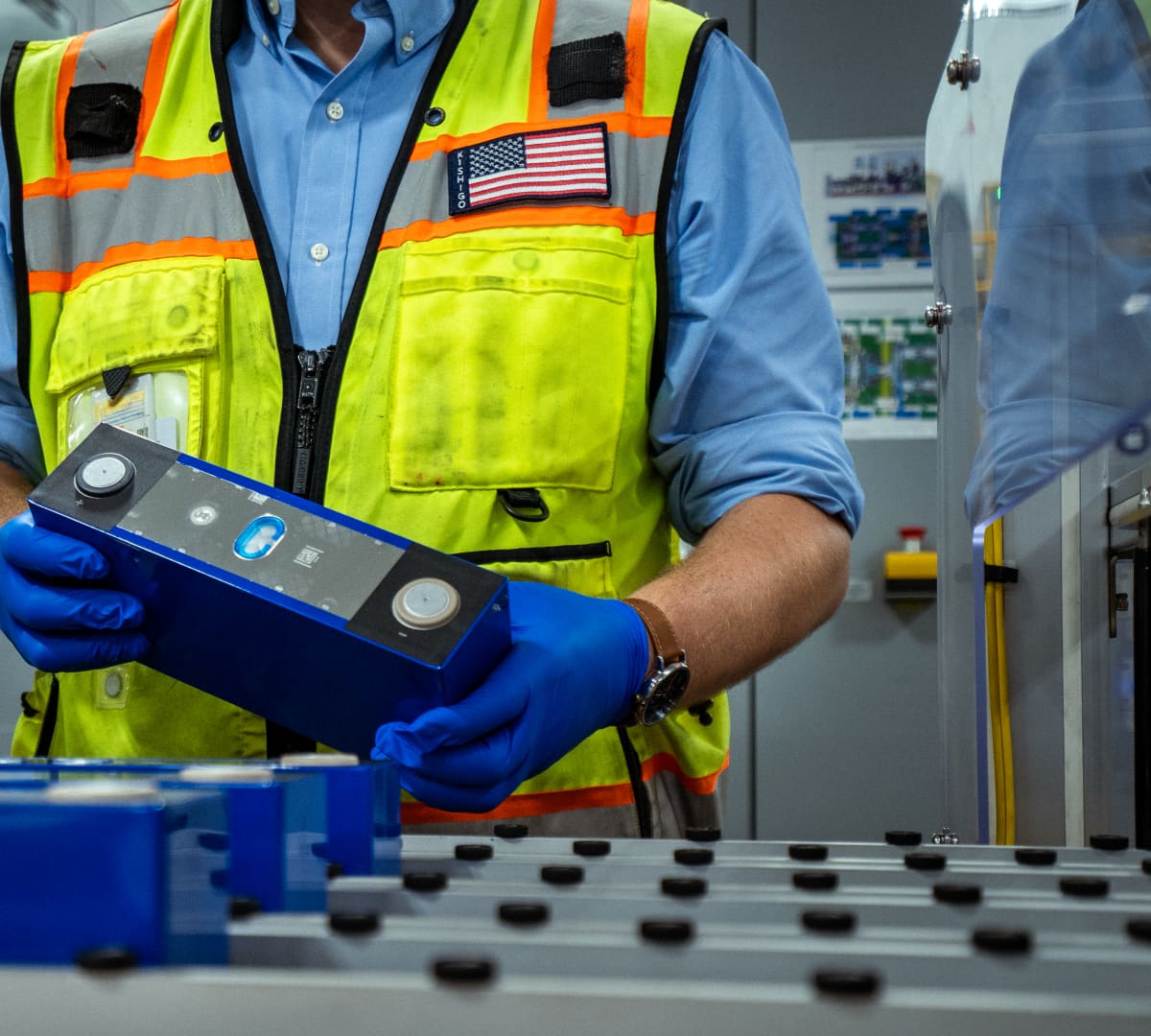
Ford Motor has started producing battery cells in the U.S. using technology licensed from Chinese battery maker CATL, the automaker said Wednesday. Cell production began last month at Ford's $3 billion plant in Marshall, Michigan, and the cells are now shipping out. They will be used in prototypes for Ford's Fathom small electric pickup, which CEO Jim Farley has said rivals Tesla and Chinese competitors.
The cells use lithium iron phosphate (LFP) chemistry, which Ford says is lower cost. Ford's Alan Clarke, vice president of advanced development projects, said licensing from CATL helped the company bring the chemistry to the U.S. quickly. "CATL being the biggest in the world means that they're the best supplier to get us that technology and help us learn ourselves how to produce LFP cells," Clarke said Tuesday during a facility tour.
The plant is expected to produce 40 battery cells a minute, or 20 gigawatt-hours annually for EVs and Ford's energy storage business. That is down from initial plans of up to 40 gigawatt-hours a year. Ford said the facility is highly automated but is still early in certifying its processes. It plans to ramp up cell production next year before the Fathom's expected launch in the fourth quarter of 2027.
U.S. Transportation Secretary Sean Duffy sent Farley a letter in September expressing "profound concern" about Ford's ties to Chinese companies, and some lawmakers have criticized the project. The White House later commended Ford for its domestic jobs and manufacturing.