Households across the UK are bracing for a jump of £443 a year in gas and electricity bills from January. Cornwall Insight forecasts that the annual price cap will rise by 26%, pushing the typical annual household bill to £2,166. Ofgem will confirm the new cap next Wednesday, 25 November, and the figures will land on kitchen tables that are already stretched.
The government's response is real but small. VAT on electricity bills has been cut to zero until next July, and £100 will be handed to 20 million homes in January. Craig Lowrey of Cornwall Insight put the limits plainly: this support "can only chip away at the edges of a bill that continues to be pushed up by events in the Middle East". That is an honest assessment, and ministers should stop presenting temporary measures as if they solve a structural problem.
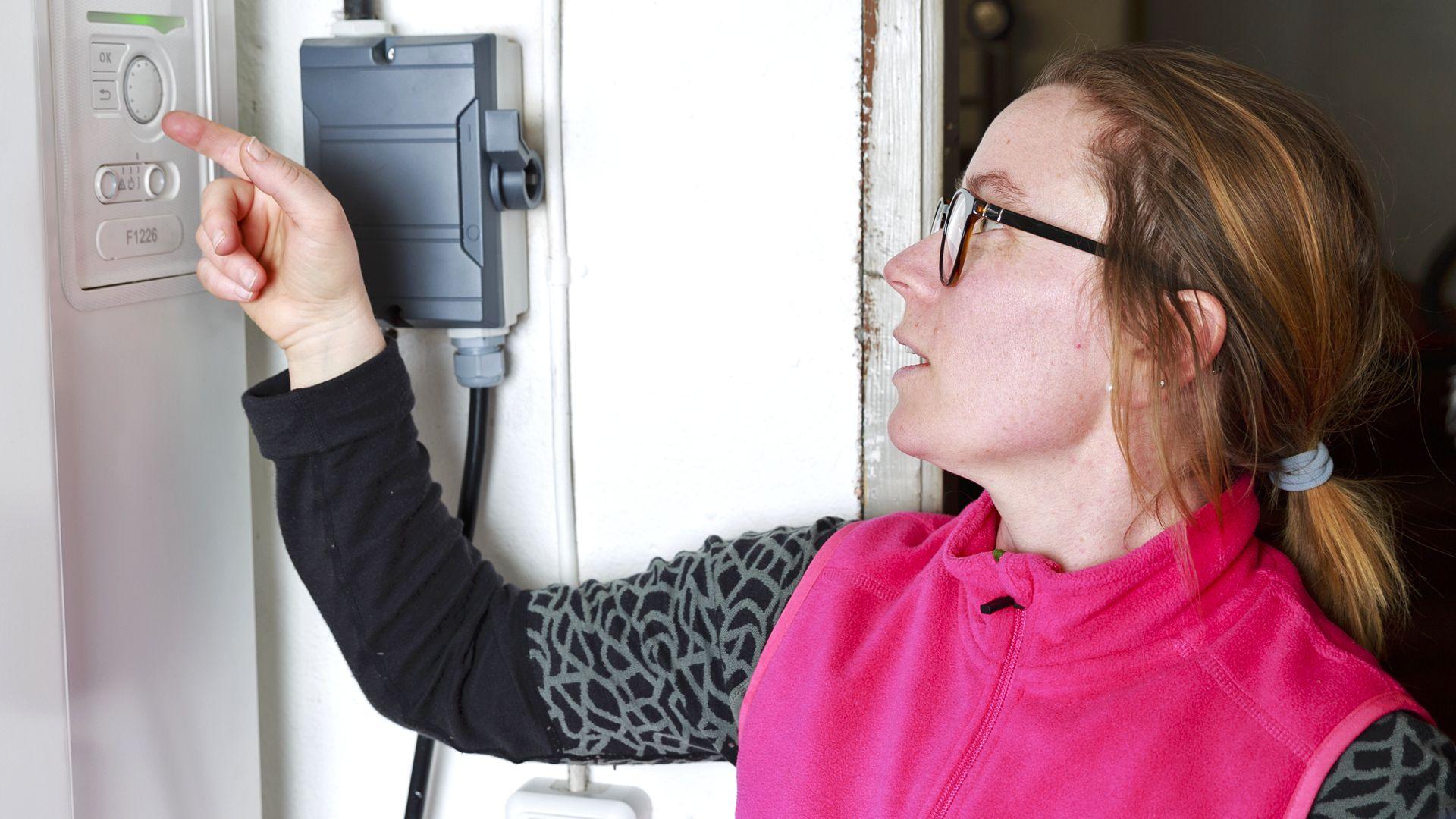
The human cost is already visible. Sophie, who manages a cafe at the Old Boat Corner community centre in Brighton, told the BBC she watches her smart meter "like a hawk", cooks in the oven less, and has not yet switched on the heating. Families who cannot afford warmth are not a rounding error in an inflation statistic. Ministers should measure success by whether homes stay warm, not by whether a headline rate falls.
The wider picture is also troubling. Inflation rose to 3.6% in the year to October, driven largely by petrol and diesel, with diesel reaching 199.5p a litre, the highest since records began 30 years ago. The Bank of England has raised interest rates to 4% and signalled that a further rise is possible unless the Middle East conflict is resolved. That leaves borrowers paying more while the cause of the shock sits far beyond Westminster's control.
My conclusion is that Britain needs a clearer plan for energy security, not just temporary tax cuts and one-off payments. Shadow chancellor Andrew Griffith blames soaring energy costs and Labour's tax decisions, but the evidence in this report points most strongly to global oil and gas prices. Whatever the politics, the next government of any colour should invest in domestic supply and efficiency so that households are less exposed to the next crisis abroad.