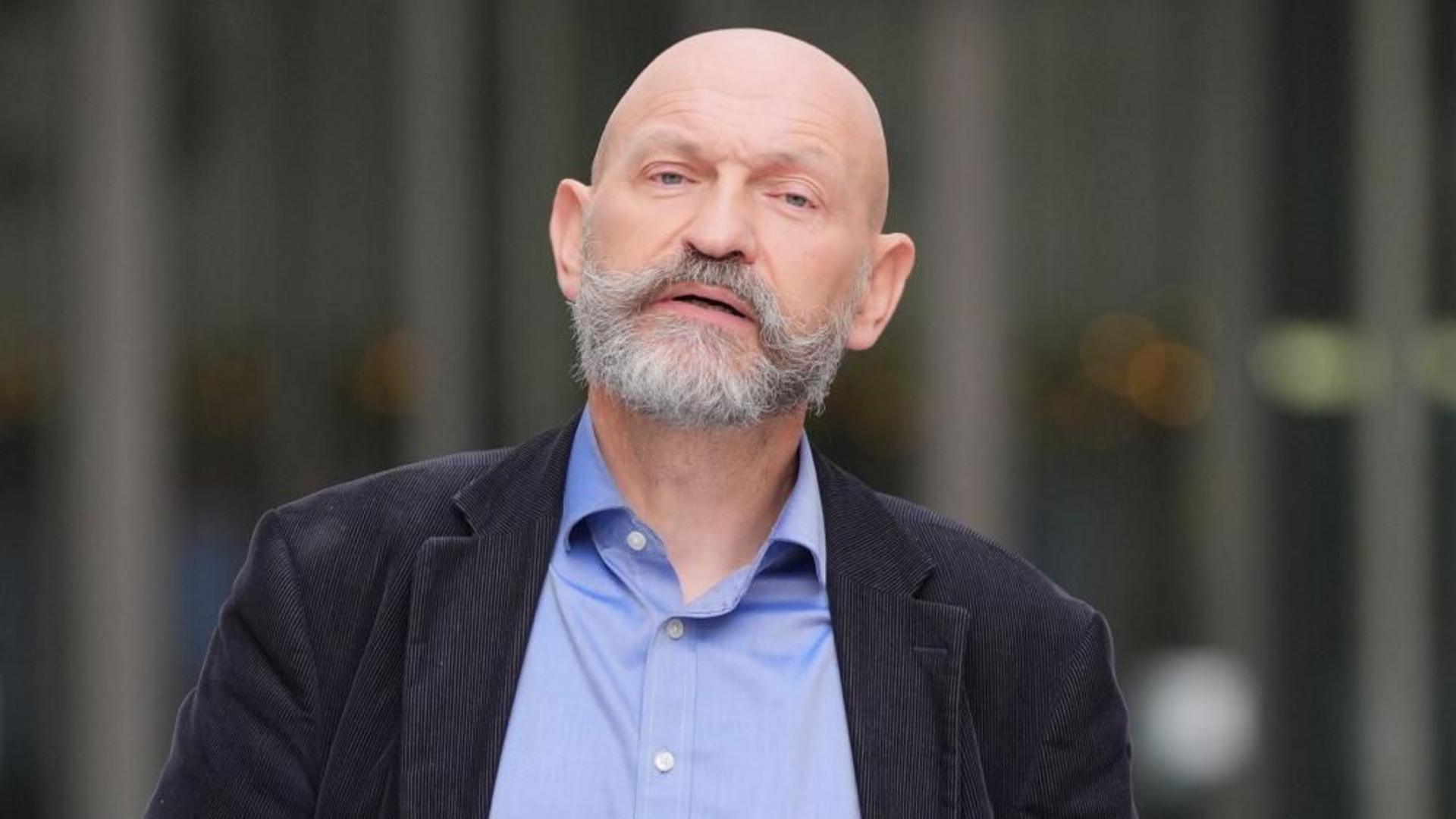
Centrica boss Chris O'Shea says he is "hugely concerned" about the expected jump in energy bills in January. He told the BBC's Sunday with Laura Kuenssberg programme that the predicted "substantial increase" in bills is "materially correct." He said he expects more people to be unable or unwilling to pay when prices rise, and he called the first quarter of the year, when most energy is consumed, the point at which he is most concerned.
O'Shea said there is a "massive problem" with non-payment in the UK. He said every electricity consumer is paying about £1.50 to £1.60 a week to cover unpaid bills, and that this "is just going to get worse when bills go up." Ofgem figures cited in the report show households owed energy suppliers £5bn in the April to June period.
Consultancy Cornwall Insight forecasts that Ofgem's energy price cap will rise by 26% to £2,166 a year for a typical household from 1 January, an increase of £443. The cap affects about 20 million households in England, Scotland and Wales. The government has said some households will receive a £100 payment to help with bills, and it has temporarily cut VAT on electricity from 5%, which is expected to save a typical household about £45 a year until the end of June next year.
Citizens Advice described the £100 payment as a "drop in the ocean" and warned of "cold-related deaths" this winter. The Fuel Poverty Action Group said "inflated energy prices are driven by inflated energy firm profits" and called for stronger action from the government and Ofgem. The report notes that wholesale energy prices have risen this year because of the conflict in the Middle East. Energy firms operating in the UK face a windfall tax introduced in 2022, which the report says brings the overall tax rate on oil and gas profits to 78%.