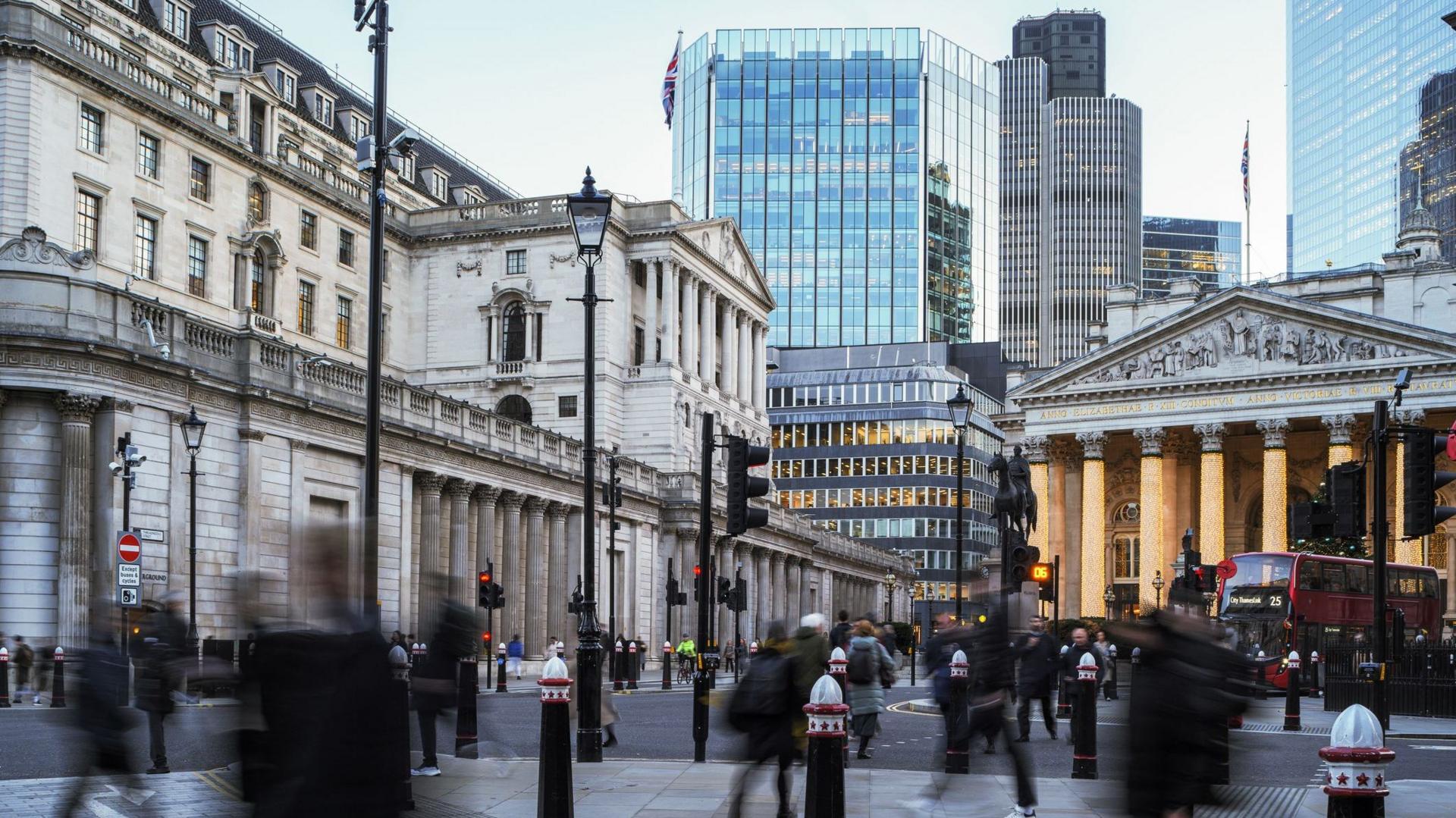
The Bank of England is expected to raise its benchmark rate on Thursday from 3.75% to 4%, which would be its first increase since August 2023. After six meetings with no change and a peak of 5.25% in 2023-24, the move is a sign that policymakers have decided inflation can no longer be ignored. The report points to the cost of petrol and diesel as the main driver, with CPI inflation reaching 3.5% in the year to September 2026, up from 3.1% the month before and well above the 2% target.
The decision is not an easy one, and the report makes clear why. As CMC Markets' Chris Cheverall put it, the Bank must balance inflation that is still too high against a growth outlook that has weakened sharply. The ongoing impact of the Iran war on energy and fuel prices has fed into the inflation figures, and millions of energy customers face a steep rise in January. Raising rates into that shock risks slowing an economy that is already struggling, but holding steady while prices climb would undermine the Bank's credibility. On balance, a quarter-point rise is the defensible choice.
The cost of that choice will fall unevenly. The report estimates that a 0.25 percentage point rise would add about £31 a month for a typical tracker mortgage, and around £14 a month for variable-rate borrowers, once their lenders pass it on. Fixed-rate borrowers are not hit immediately, but those rolling off five-year deals face a far larger bill, with average five-year fixed rates at 5.99% as of 4 November. Broker L&C's estimate that some borrowers may pay almost £5,000 more a year than those who remortgaged in 2021 shows how sharp that cliff is.
Policymakers and lenders should not treat this as a problem borrowers can simply solve by switching products. Rachel Springall of Moneyfacts is right that the choice between a tracker and a fix depends on whether households can absorb future rises, and many will not know that until the bills arrive. Lenders should be clear about the payment risks in every quote, and the Bank should signal its path carefully so that households are not surprised. Savers, who may finally see better returns, deserve the same clarity.
The Bank should raise rates on Thursday, but it should do so with a plain message: this is a response to energy-driven inflation, not a sign of a quick return to tight policy. Lenders should pass on any increase transparently and quickly to savers as well as borrowers. The people most exposed to this decision are those rolling onto high fixed rates or already stretched by energy costs, and they should get more than a warning.