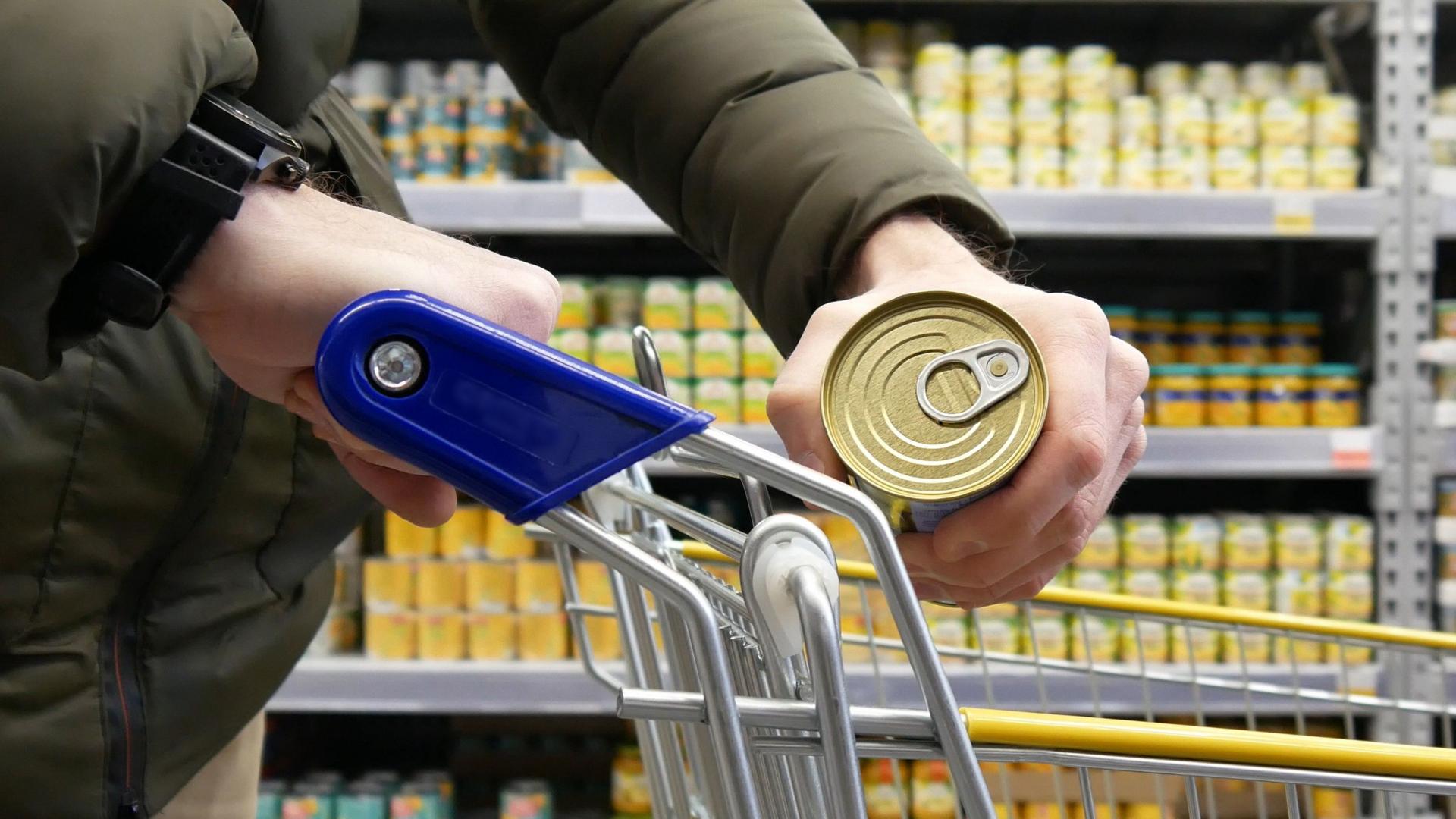
Retail sales rose 0.7% in October, and the Office for National Statistics credits a good part of that to people buying tinned food and UHT milk after the government's 'Be Ready' campaign. Chief economist Grant Fitzner said supermarkets had told the ONS that sales of long-life items were boosted by the campaign. On its face, that is a sign of a public taking preparedness seriously. But the sales figures alone cannot tell us whether shoppers are preparing sensibly or reacting to fear, and the government should be honest about which it is trying to produce.
The campaign's advice is modest: keep three days' worth of food and water at home, along with wet wipes, a torch and some cash. That is sensible guidance, and nobody reasonable would argue that households should be unprepared for severe weather or a disruption to essential services. The problem is the gap between that modest message and the headline effect. Separate research released last week suggested households were stockpiling essentials but not panic buying. Worldpanel by Numerator reported people buying tinned meat, bottled water and hand sanitiser. Those are two different things, and a campaign that gets a spike in tins and milk has to be judged on whether it left people better prepared or simply nervous.
The timing makes this harder to read. October was the start of the festive period, normally the busiest time for retailers, and RSM UK's Jacqui Baker noted that consumers may soon batten down the hatches as energy costs rise. Typical energy bills are forecast to increase by £443 a year from January, and inflation rose to 3.6% in October, mainly because of petrol and diesel. A household that is anxious about its bills may buy a few extra tins for reassurance, which is rational, but it is not the same as a household that has been given a clear plan. Officials should not let a rise in tinned food stand in as evidence that the public is ready.
The government should measure what the campaign actually achieved. Sales data cannot show whether people now have three days of supplies, whether they know what to do if services fail, or whether they feel calmer or more frightened. Ministers should publish that evidence, or at least commit to gathering it, before claiming success. The public deserves advice that is proportionate, clearly explained and tied to real risks, and retailers and the ONS can report what they see without turning a seasonal shopping pattern into a verdict on national resilience.
Preparedness is worth encouraging. But a campaign that leaves people buying more tins without understanding why has done only half the job.