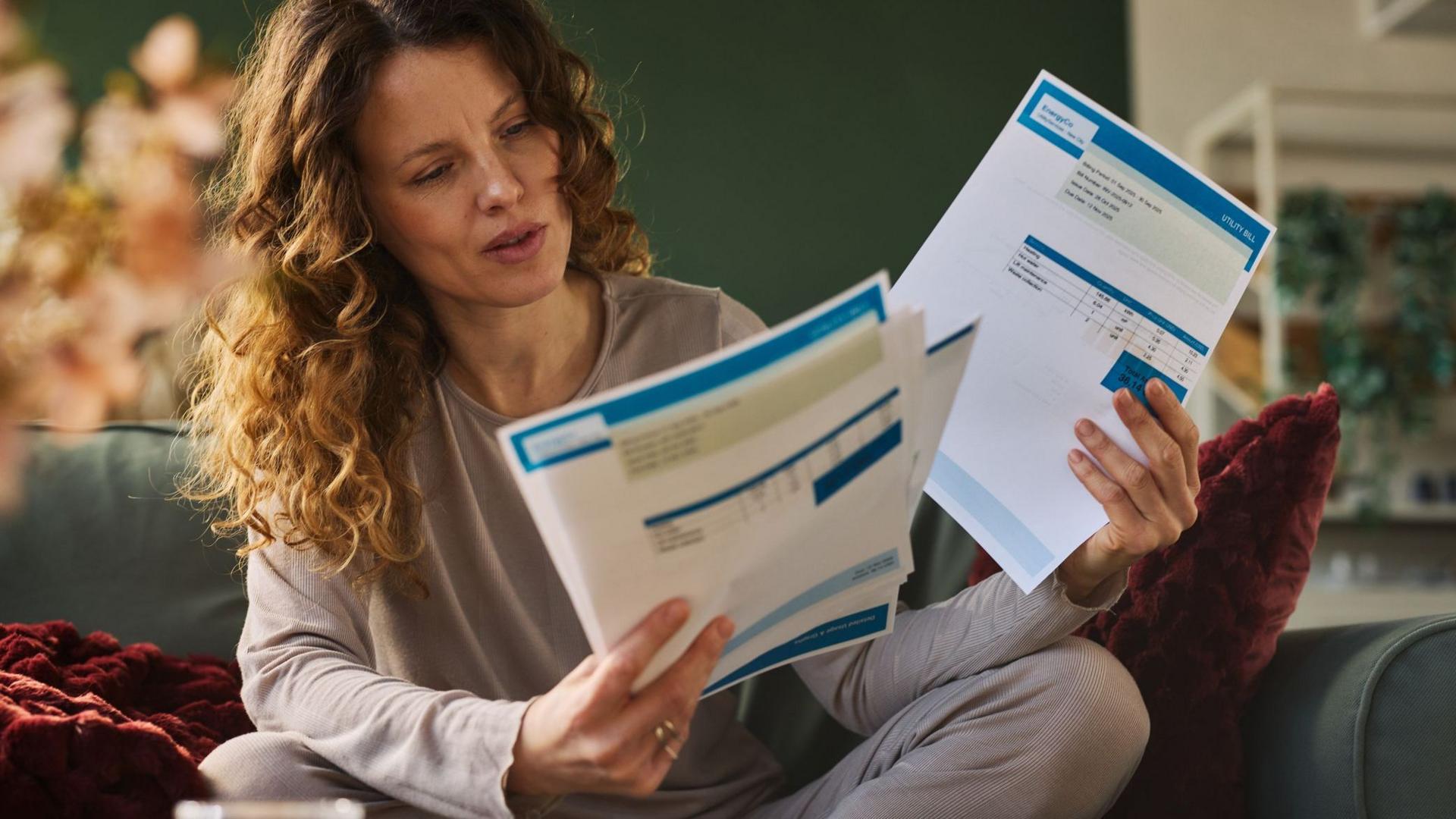
Millions of households are about to face a sharp rise in domestic energy bills in January, and the support on offer looks too thin for the scale of the problem. Consultancy Cornwall Insight forecasts a 26% rise in the typical annual bill ahead of Ofgem's official announcement. Ofgem's price cap sets the maximum charge for each unit of energy, and it will take effect at the coldest time of year.
The government's response is a £100 payment to millions of households, an ongoing VAT cut on electricity, and a warm home discount of £150 for six million households on benefits. Those measures are welcome, but they are small against the forecast. On the Cornwall Insight figures, a typical household using gas and electricity by direct debit would see bills rise by about £37 a month from January to the end of March. If that continued for a year, the typical bill would climb by £443 compared with the current cap. The VAT cut is expected to save the typical household about £45 a year, and the £100 payment is a one-off.
The warning from Citizens Advice deserves attention. Its chief executive, Dame Clare Moriarty, said that "millions of households are entering the coldest months of the year with nothing left." Citizens Advice also said people on prepayment meters, who often top up most in the coldest months, would see the £100 disappear quickly. Energy UK puts total energy debt on course for about £7bn by the end of the year. Centrica's chief executive, Chris O'Shea, said he was "hugely concerned" and described a "massive problem" with people not paying. A policy that relies on a one-off payment and a temporary tax cut will not reach families who are already falling behind.
The warm home discount is the most targeted tool in the package, and there have been calls for it to be extended beyond the six million households now covered. That is a sensible step. The support is funded through everyone's bill, which means the cost falls on the same households it is meant to protect, so the design should be scrutinised as well as the size. Ministers should extend the discount, make sure the £100 reaches prepayment customers before winter, and set out how the wider economy will be protected from households cutting spending to pay for energy.
The lesson is that the price shock is driven by wholesale gas costs linked to the war in Iran, and that prices may stay high next year even if gas falls. Ministers should stop treating each winter as a surprise and bring forward a plan that protects people for the full year, not just the first three months.